


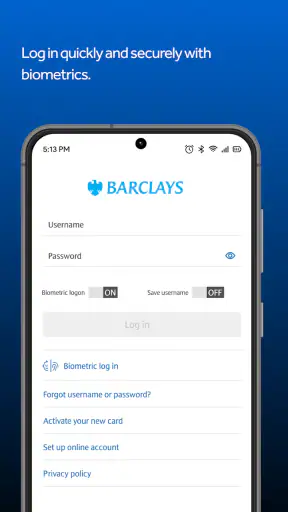
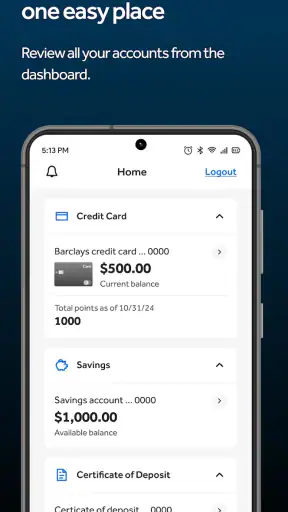
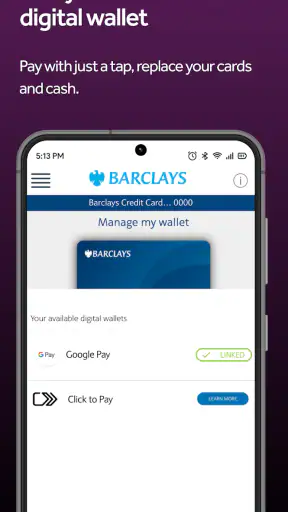
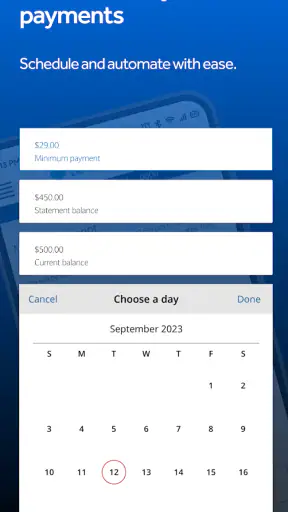
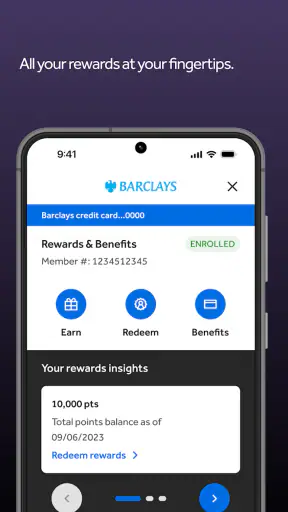
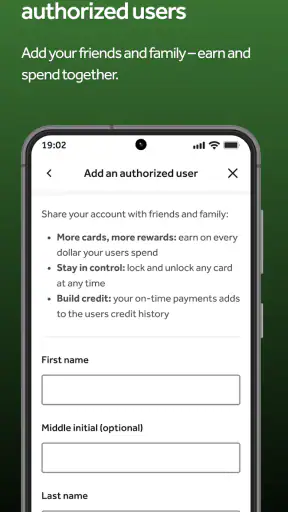
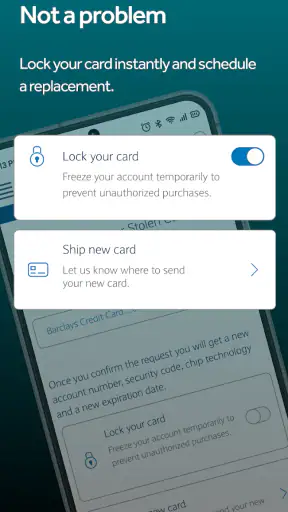
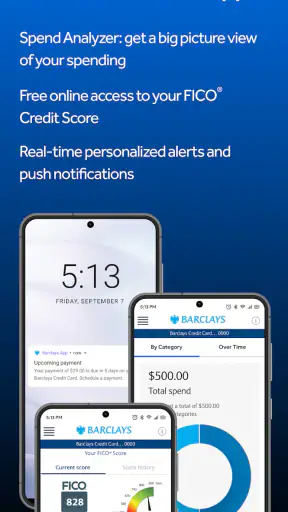
Managing a Barclays account from a phone is the main reason to try Barclays US. I found it most useful for the small banking jobs that otherwise interrupt a normal day: checking whether a payment has cleared, looking over recent activity, and keeping an eye on available money without opening a laptop. It is a free finance app from Barclays US, aimed at an Everyone audience, and its large Android presence makes it feel like a practical companion rather than an experimental side project.
My overall impression is positive, but not uncritical. The app is at its best when I want quick access to my Barclays relationship in one place. It is less compelling if I expect a complete money-management system that combines every bank, card, investment account, and household budget into one detailed dashboard. That distinction matters: this is primarily a Barclays account tool, not a universal financial planner.
How Barclays US feels in everyday use
The first thing I noticed is that the app’s value comes from reducing friction. A mobile banking app does not need to be exciting; it needs to let me answer simple questions quickly. Is the balance different from what I expected? Did a recent transaction appear? Do I need to deal with something now, or can it wait? Barclays US is built around that kind of short visit.
I can imagine using it on a weekday morning before leaving home. A card payment from the previous evening may still be on my mind, so I open the app, review the account activity, and confirm that the available amount looks sensible. Later, I might check again before making a larger purchase. Those brief checks are more convenient than waiting until I am at a computer, and they help turn vague worry into a specific answer.
The experience also suits people who prefer to separate banking from general budgeting. If I already use a spreadsheet, a household budget, or another financial tool, Barclays US can serve as the source I consult for current Barclays activity. That focused role is a strength because it avoids burying basic account information under unrelated charts and categories.
At the same time, the narrow focus can feel limiting. Someone who wants automatic categorization across several institutions may find a dedicated budgeting service more useful. Likewise, a person who rarely uses Barclays accounts has little reason to install a specialized app. The best fit is a customer who wants a direct mobile doorway into Barclays services and expects routine account management rather than financial coaching.
The app has earned a 4.6 average from around 60 thousand ratings, with roughly 7 thousand written reviews, and it has passed the million-install mark. Those figures do not replace personal testing, but they do suggest that the basic mobile-banking workflow works for a substantial audience. I would still judge it by how well it matches my own account needs, because a high average cannot make an unsupported account type or an unwanted workflow suddenly useful.
A focused home base instead of a financial command center
I like the idea of opening one app and seeing the Barclays relationship I actually need. This is especially helpful when I am checking a recent card purchase, reviewing a balance before a transfer, or making sure an account has not changed unexpectedly. The app’s usefulness grows through repetition: once it becomes part of my weekly money routine, those short checks feel natural.
There is also a practical security benefit to keeping these checks inside the official Barclays US application rather than relying on screenshots, old emails, or third-party summaries. I can make decisions using the current account view instead of guessing from a notification that may not reflect the latest activity. I would still use ordinary caution on a shared device and avoid treating a quick glance as a substitute for carefully reviewing an unfamiliar transaction.
One non-obvious habit I recommend is using the app as a reconciliation checkpoint. After paying a bill or making a purchase that matters, I can return later and compare the account activity with my own notes. That helps catch mistaken assumptions about timing or amount. It is not glamorous, but it is more reliable than trying to remember every purchase at the end of the month.
What the current release tells me
The current version is 8.7.2, and that number is useful mainly as a reference point when I am checking whether my installation is current. It indicates a mature product that has gone through repeated development rather than a newly launched banking experiment. I would not read the version number alone as proof that every feature is perfect, but it does support the impression of an established mobile service.
The app was released on February 16, 2012, so its history stretches well beyond the period when mobile banking was still a novelty. That long lifespan changes how I evaluate it. I expect the essential account-viewing experience to be dependable, and I pay more attention to how clearly the app handles routine tasks than to whether it tries to imitate a flashy budgeting platform.
For existing users, an updated release can matter even when the visible changes seem modest. Banking software needs to keep pace with operating-system behavior, device security, and the expectations created by other financial apps. A user who has not opened Barclays US for a while should approach the current version as the sensible starting point rather than assuming an old installation represents today’s experience.
Still, I would separate confirmed product facts from future expectations. The present version is something I can evaluate; possible upcoming redesigns, new tools, or broader account coverage are not promises I would make. If a particular function is essential to me, I would verify it inside my own account before changing my banking routine around it.
How it affects people already using Barclays
For an existing customer, the biggest advantage is continuity. The app gives a familiar mobile route to Barclays US instead of forcing every task into a desktop browser. That is valuable for people who check money frequently, travel between places, or simply prefer handling financial administration from a phone.
I would use it as part of a layered routine rather than as my only source of financial awareness. The app can help me inspect current activity, while a separate reminder system can handle due dates and a personal budget can track plans. This division of labor avoids a common mistake: expecting the banking app to remember every future obligation just because it shows what has already happened.
Another useful workflow is checking activity before contacting support. If I notice an unfamiliar item, I can first record the merchant name, amount, and position in the recent activity list. That gives me a clearer starting point if I need help. It also prevents me from reporting a vague concern based only on a notification or a half-remembered purchase.
People upgrading from an older phone or reinstalling the app should expect the normal inconvenience that comes with protecting financial access: signing in again, confirming identity, or adjusting to a changed screen arrangement may take more time than opening a social app. I see that friction as part of the trade-off for handling sensitive accounts, although it can be annoying when I only wanted a quick balance check.
The minimum operating-system requirement is iOS or Android version 12. That makes the compatibility question straightforward for many current phones, but it is important for anyone keeping an older device. If a phone cannot run that operating-system level, this particular app is not the right solution on that device; upgrading the phone or using another official access method would be more sensible than relying on an unsupported installation.
Where the app is stronger than usual alternatives
Compared with a desktop website, Barclays US wins on immediacy. I do not need to find a computer just to inspect recent activity during a shopping trip or while planning a payment. The phone format also encourages smaller, more frequent checks, which can be healthier than ignoring an account until a monthly statement arrives.
Compared with a general-purpose budgeting app, its advantage is directness. A third-party service may offer broader financial aggregation and more elaborate spending reports, but it introduces another layer between me and Barclays. For a user who mainly wants Barclays information, that extra layer may create more setup and more room for synchronization confusion than it solves.
Compared with informal methods such as email alerts or saved browser pages, the app gives me a more deliberate place to review the account. A single alert usually answers one narrow question. Opening the app lets me look at the surrounding activity and form a better picture before deciding what to do.
The trade-off is that a bank-specific app will naturally be less useful for someone whose financial life is spread across many institutions. If I want one screen showing several banks, loans, cards, investments, and spending categories, I would choose a broader tool and keep Barclays US for direct account access. Neither choice is universally better; they solve different problems.
Small habits that make the experience more useful
I would not wait for a major financial decision before learning the app. A better approach is to open it during a calm moment and identify where current balances and recent activity appear. That way, if I need to check something quickly in a busy situation, I am not learning the navigation while already under pressure.
I also recommend comparing the account view with the timing of real-world purchases. A transaction may not appear exactly when I expect, and a pending-looking item can make my available money feel different from my longer-term balance. I would avoid spending based on one number alone when timing matters, especially before a large payment.
A third useful habit is keeping a short note of recurring payments outside the app. Barclays US can show account activity, but my own list can remind me why a charge is expected and when the next one is likely. This combination is more dependable than asking the app to replace a calendar, a budget, and personal memory all at once.
Finally, I would review the app after a significant change in my routine, such as switching phones, changing how often I use a card, or starting to monitor a new account. The right workflow for occasional checks may not be enough when I begin managing money more actively. The app can remain useful, but my surrounding habits should evolve with it.
Gaps and moments when I would choose something else
The most important limitation is scope. Barclays US is not the obvious choice for someone looking for a complete financial overview across unrelated providers. A dedicated aggregation or budgeting product may offer better visibility for that purpose, even though I would still prefer the Barclays app when I need the most direct view of Barclays activity.
I would also hesitate to recommend it as the sole tool for detailed financial planning. People working toward debt reduction, shared household budgets, savings targets, or long-term investment decisions may need reports and planning features beyond a bank-specific mobile experience. In those cases, the app can provide account information while another tool handles the broader plan.
There is a human limitation too: convenience can encourage checking without understanding. Opening an account view repeatedly is not the same as reviewing spending patterns or deciding whether a purchase fits a plan. I find the app helpful when it supports a clear question, but less helpful when I use it to repeatedly reassure myself without taking action.
Users with older devices should pay attention to the operating-system requirement before committing to it. And anyone who dislikes mobile banking in general may prefer a browser or another official Barclays access route. A phone app is convenient only when the phone is a comfortable and trusted place to handle financial information.
What I would watch as the app continues to evolve
Because Barclays US has been available since 2012 and now sits at version 8.7.2, I would watch for improvements that make routine tasks clearer rather than simply adding visual decoration. Better explanations around account activity, smoother movement between related Barclays services, and reliable behavior across current devices would matter more to me than a crowded feature list.
I would also pay attention to how the app balances speed with caution. The ideal banking experience lets me answer simple questions quickly while adding appropriate confirmation when an action has serious consequences. If future releases make ordinary viewing slower, they could reduce the app’s main advantage; if they oversimplify important details, they could make quick access less trustworthy.
Existing users should therefore judge updates by their daily workflow. After an update, I would perform a few familiar checks, confirm that the information I rely on is easy to find, and only then explore less-used areas. That is a practical way to notice meaningful changes without assuming that a new version automatically improves every part of the experience.
For new users, I would start with realistic expectations. The app is free, the content rating is Everyone, and the developer is Barclays US, so it is clearly positioned as an official, broadly accessible finance companion. Its 1M-plus installs and strong average rating make it worth considering, but the deciding question is simpler: do I need direct mobile access to Barclays accounts, or am I really looking for a complete money-management platform?
My final view is that Barclays US is a sensible choice for Barclays customers who value quick account checks and a focused mobile banking routine. I appreciate its mature history, current version, and straightforward role. I would recommend it to a friend who wants to keep tabs on Barclays activity from a phone, while warning them not to expect it to replace a cross-bank budget or a full financial-planning system.
In short, the best reason to use Barclays US is direct, repeatable access to your Barclays relationship. If that is the job I need done, the app fits naturally into everyday life. If my goal is to understand every part of my financial life in one place, I would pair it with a broader tool or choose a different primary solution.


